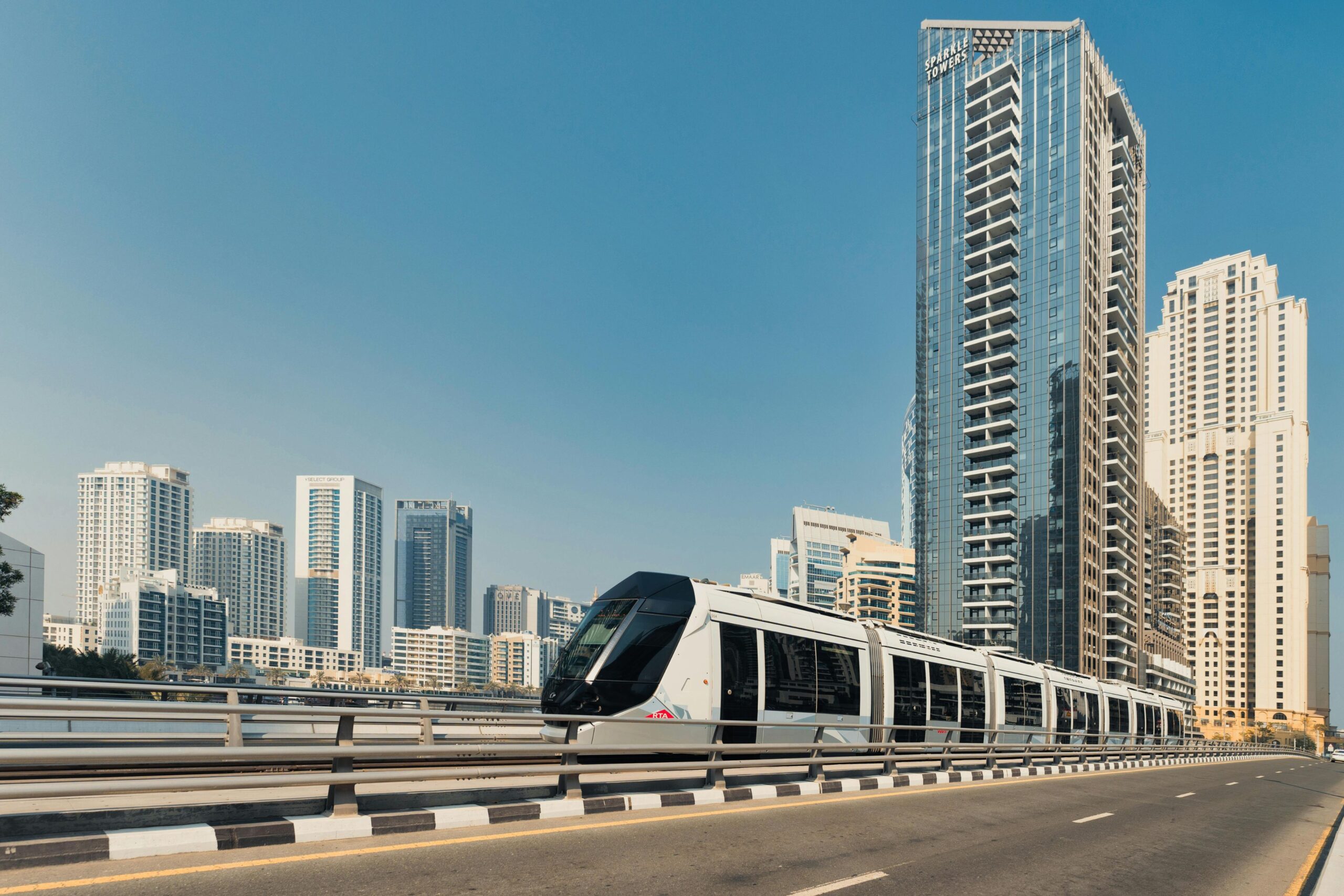
Economic diversification is reshaping Dubai’s future as the emirate accelerates its transition away from oil dependency. Moreover, recent metrics reveal a dramatic shift in the city’s economic foundation. The 2030 vision shows concrete progress through investments in tourism, technology, and trade sectors.
What Makes Dubai’s Economic Diversification Strategy Different?
Dubai’s approach stands apart from other oil-rich regions. Indeed, the emirate started planning decades ago. Currently, non-oil sectors contribute approximately 80% to the GDP.
The government invested heavily in infrastructure development. Furthermore, free zones attract international businesses. This strategy creates jobs across multiple industries. As a result, Dubai builds resilience against oil price volatility.
How Do Current Metrics Demonstrate Progress?
Tourism revenue reached AED 120 billion in 2024. Additionally, the sector employs over 700,000 people. These numbers show economic diversification working effectively.
Technology investments grew by 35% year-over-year. Moreover, Dubai Internet City hosts 2,400+ companies. The financial services sector contributes AED 60 billion annually. Therefore, these metrics validate the diversification strategy.
Meanwhile, trade volumes exceed AED 1.4 trillion. Jebel Ali Port handles 15 million containers yearly. Such growth demonstrates Dubai’s position as a global hub.

Which Sectors Drive Economic Growth Beyond Oil?
Tourism leads the transformation with visitor numbers surpassing 17 million. For instance, hospitality investments total AED 50 billion. The sector continues expanding despite global challenges.
Real estate attracts significant foreign investment annually. Furthermore, property transactions reached AED 520 billion in 2024. This growth supports construction and related industries.
Technology and innovation sectors show remarkable expansion. Specifically, AI and fintech companies choose Dubai as their regional headquarters. Consequently, the emirate becomes a Middle East tech leader.
Real Success Story: Economic Transformation in Action
Sarah Mitchell, CFO, Global Ventures DMCC
“Our company relocated to Dubai three years ago. We needed a stable, diversified market. The business-friendly environment exceeded our expectations. Additionally, access to emerging markets proved invaluable.”
“Revenue increased 240% since our Dubai launch. We hired 150 employees across multiple nationalities. The economic diversification here creates real opportunities. Indeed, our investment decision proved correct.”
Where Does Dubai Stand Compared to Regional Peers?
Dubai outpaces neighboring economies in diversification metrics. For example, non-oil GDP percentage leads the Gulf region. The emirate’s strategy serves as a regional model.
Investment in renewable energy shows commitment to sustainability. Moreover, Dubai aims for 75% clean energy by 2050. This approach attracts environmentally conscious investors.
Education and healthcare sectors receive substantial government support. Therefore, these industries contribute significantly to employment growth. The focus on human capital development strengthens economic foundations.

What Economic Challenges Remain for 2030 Goals?
Global economic uncertainty affects investment flows periodically. However, Dubai maintains strong fundamentals. The government adapts policies to address emerging challenges.
Competition from other international hubs intensifies annually. Nevertheless, Dubai’s strategic location provides advantages. The emirate continuously improves its value proposition.
Skills gaps in certain sectors require attention. Consequently, training programs expand across industries. Indeed, workforce development remains a priority.
Conclusion: Dubai’s Economic Future Takes Shape
Economic diversification metrics confirm Dubai’s successful transition beyond oil dependency. The emirate demonstrates how strategic planning creates sustainable growth. Furthermore, investments in tourism, technology, and trade generate measurable results.
The 2030 vision appears achievable based on current progress. Moreover, economic diversification strengthens Dubai’s global competitiveness. Stakeholders should monitor these metrics as the transformation continues.
Therefore, Dubai’s model offers valuable lessons for other regions. The city’s journey from oil dependence to economic diversification showcases effective policy implementation. Additionally, the future holds promise for continued expansion across multiple sectors.