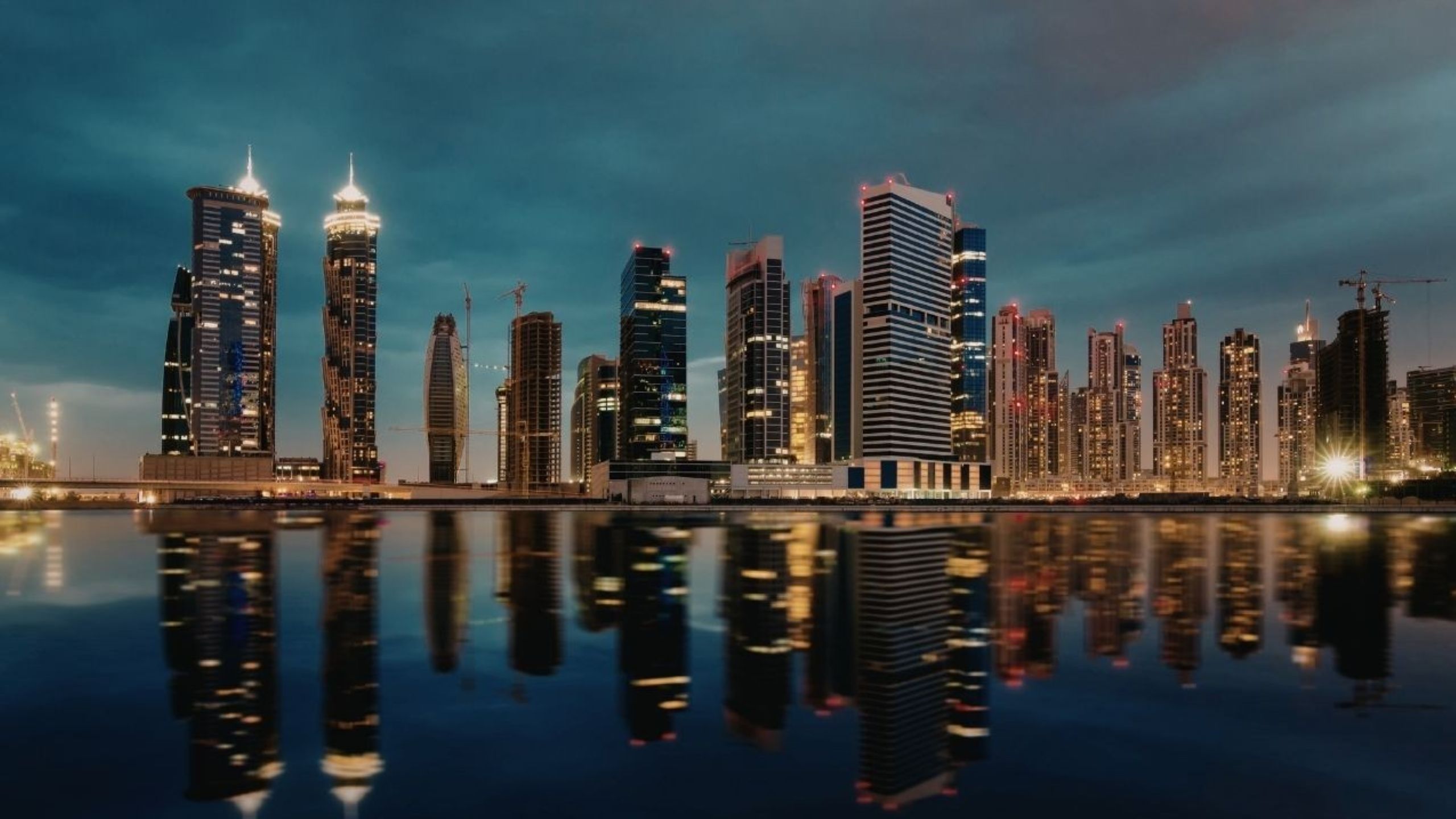
The Dubai economy has demonstrated exceptional resilience, with projections for Q2 2026 indicating GDP growth of between 4.5% and 5%. Furthermore, the emirate’s diversification strategy is reducing its dependency on oil while expanding high-value sectors. This analysis identifies the key growth sectors and investment opportunities that are shaping the market. Dubai is indeed positioning itself as the Middle East’s premier business and innovation hub.
Why Does Dubai Economy Continue Strong Q2 Performance?
Dubai economy benefits from strategic geographic positioning connecting Europe, Asia, and Africa seamlessly. Furthermore, world-class infrastructure including airports, ports, and logistics facilities enables efficient trade flows. This connectivity advantage attracts multinational corporations establishing regional headquarters and distribution centers.
Additionally, the Dubai economy thrives through progressive policies attracting foreign investment and talent globally. For instance, 100% foreign ownership, long-term visas, and zero income tax create competitive advantages. These business-friendly regulations generate consistent FDI inflows exceeding $20 billion annually.
Meanwhile, Expo 2020’s legacy infrastructure supports the Dubai economy through enhanced tourism and business facilities. Specifically, the Expo site transformation into Dubai South creates innovation districts and commercial zones. This ongoing development maintains construction momentum and economic activity throughout 2026.
What Sectors Drive Dubai Economy Growth in Q2?
Real estate and construction lead the Dubai economy with mega-projects worth AED 150+ billion underway. Moreover, developments like Dubai Creek Harbour, Bluewaters, and Mohammed bin Rashid City create jobs and demand. The sector contributes 14% of GDP demonstrating sustained importance despite cyclical nature.
Additionally, tourism and hospitality drive the Dubai economy with 17+ million visitors projected in 2026. For example, hotels achieve 80% occupancy rates generating AED 35 billion in revenue annually. New attractions like Museum of the Future and expanded shopping festivals maintain destination competitiveness.
Financial services anchor the Dubai economy through DIFC’s growth as a global Islamic finance hub. Furthermore, fintech innovation and digital banking expansion create high-value employment and GDP contribution. The sector’s 12% GDP share continues expanding through regulatory support and infrastructure investment.

How Do Free Zones Impact Dubai Economy Performance?
Free zones contribute 40% of the Dubai economy employing over 450,000 professionals across sectors. Moreover, zones like DMCC, JAFZA, and Dubai Silicon Oasis offer specialized infrastructure and incentives. These ecosystems attract specific industries from commodities trading to technology development.
Additionally, new free zones targeting emerging sectors strengthen the Dubai economy’s diversification strategy. For instance, Dubai CommerCity focuses on e-commerce while D3 emphasizes design and innovation. This specialization creates competitive clusters attracting global leaders and startups simultaneously.
Tax benefits and simplified regulations within free zones accelerate the Dubai economy’s business formation. Furthermore, companies enjoy 100% profit repatriation and customs duty exemptions on imports/exports. These advantages position Dubai as the region’s preferred incorporation destination consistently.

Real Success: Dubai Economy Investment Performance
James Morrison, Managing Partner, Gulf Ventures Capital
“Our fund allocated $150 million to Dubai economy sectors during 2024-2025 focusing on technology and logistics. Portfolio companies achieved 28% average revenue growth exceeding regional benchmarks significantly. The combination of market access and regulatory support creates exceptional conditions for scaling businesses.
The Dubai economy offers unique advantages including tax efficiency and talent availability regionally. We’ve observed multinational corporations shifting Middle East operations to Dubai from other locations. Our Q2 2026 strategy emphasizes fintech, sustainable technology, and healthcare sectors specifically.”
What Economic Indicators Signal Dubai Economy Health?
Non-oil sector growth at 5.2% demonstrates the Dubai economy’s successful diversification from hydrocarbons. Moreover, non-oil trade volumes exceed AED 1.5 trillion annually supporting merchant and logistics activities. This structural shift ensures sustainable growth independent of commodity price volatility.
Additionally, commercial property prices stabilize with 2-3% appreciation supporting the Dubai economy’s investment appeal. For example, prime office space in DIFC commands AED 180-220 per square foot annually. This pricing reflects balanced supply-demand dynamics avoiding bubble conditions while maintaining returns.
Employment growth across the Dubai economy adds 85,000+ jobs annually with unemployment below 2%. Furthermore, salary increases averaging 3-4% indicate healthy labor market conditions supporting consumption. These demographic trends underpin retail, hospitality, and service sector expansion continuously.
How Should Investors Position for Dubai Economy Opportunities?
Sector allocation favoring the Dubai economy’s structural growth drivers optimizes portfolio performance currently. Furthermore, real estate development, logistics infrastructure, and fintech receive government support and funding. Concentrating investments in these priority sectors aligns with official economic strategies effectively.
Additionally, SME investment opportunities proliferate across the Dubai economy through entrepreneurship initiatives and incubators. For instance, over 200,000 SMEs contribute 45% of GDP creating diverse investment prospects. Early-stage ventures in technology and sustainability sectors offer asymmetric return potential.
Public-private partnerships provide the Dubai economy stable returns through infrastructure and utility projects. Moreover, government guarantees and long-term contracts reduce investment risks significantly below pure private ventures. These opportunities suit conservative investors seeking predictable cash flows and capital preservation.
Conclusion: Dubai Economy Offers Compelling Q2 Opportunities
The Dubai economy in Q2 of 2026 demonstrates robust fundamentals, supporting continued business expansion and investment. Furthermore, the diversification of growth sectors, ranging from tourism to technology, creates multiple entry points for capital. A strategic positioning based on government priorities and market dynamics maximises potential returns.
Therefore, investors should maintain exposure to the Dubai economy, capitalising on its regional growth leadership. They should monitor real estate cycles, free zone developments and policy announcements, adjusting their strategies accordingly. Indeed, the Dubai economy is the most dynamic and accessible investment destination in the Middle East.
Are you ready to invest in Dubai? Analyse economic sectors and develop strategic entry plans today.