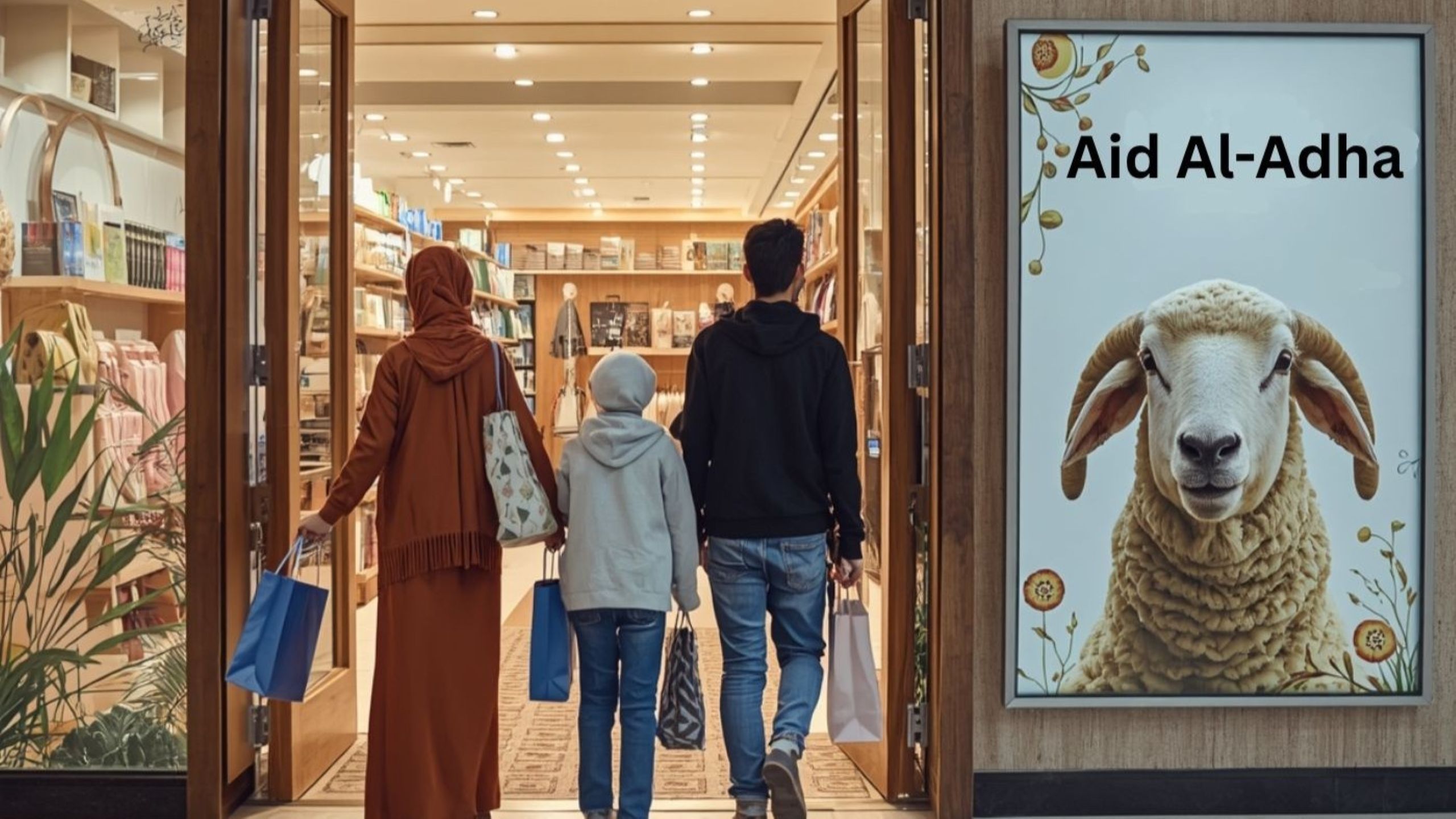
Eid al-Adha 2026 is one of the most economically significant holidays in Dubai’s annual calendar. According to the UAE Government Media Office, the public holiday runs from Monday, May 25 to Friday, May 29, 2026, with official working hours resuming on Monday, June 1. When combined with surrounding weekends, many residents will benefit from a 9-day break. Indeed, Eid al-Adha consistently generates a major surge across retail, hospitality, tourism, and real estate sectors in Dubai.
Why Does Eid al-Adha Matter for the Dubai Economy?
Eid al-Adha is one of 2 peak spending periods in the UAE each year, alongside Ramadan. The UAE Ramadan economy reached $16.4 billion in 2026, with MENA regional spending exceeding $66 billion across all categories. Eid al-Adha adds a second major economic wave, driven by gift-giving, family travel, hospitality bookings, and retail promotions across the emirate.
The synchronised holiday schedule is expected to drive a seasonal increase across travel, retail, hospitality, and leisure sectors, with residents taking advantage of the extended break for regional travel and family activities. Furthermore, the alignment of school holidays extends the spending window for families across Dubai. Therefore, businesses in every consumer-facing sector must prepare well in advance to capture this concentrated demand.
Eid al-Adha celebrations bring a spirit of generosity, unity, and culture, with performances, themed decorations, mall campaigns, and gift promotions across Dubai. Families and visitors can enjoy curated dining experiences and leisure activities throughout the holiday period. Moreover, the Dubai Festivals and Retail Establishment officially integrates Eid al-Adha into the annual retail calendar as a major commercial event. This institutional support amplifies the economic impact well beyond organic consumer spending.
What Is the Impact on Dubai Tourism and Hospitality?
Travelers from GCC countries and international destinations are expected to arrive in large numbers during Eid al-Adha, with Dubai International Airport bracing for record-breaking passenger traffic. This inbound surge benefits hotels, restaurants, attractions, and transport providers simultaneously.
Hotel occupancy rates during Eid week are expected to exceed 85% in Dubai, with average nightly rates up 30% to 40% compared to regular weeks. Moreover, Dubai Restaurant Week has been extended until May 31, bringing together more than 125 restaurants spanning fine dining, premium casual, and homegrown concepts.
Dubai accounts for around 70% of staycation bookings during Eid al-Adha, while international trips account for 72% of total travel bookings, with the Maldives, Thailand, and France among the most popular destinations for UAE residents. Consequently, outbound travel creates strong revenue opportunities for Dubai-based travel agencies and airlines.

How Does Eid al-Adha Impact Dubai Retail and Malls?
Historical data shows retail sales rise between 30% and 50% during Eid compared to the monthly average. Fashion and apparel surge by 40% to 60%, driven by the tradition of purchasing new Eid clothing. Luxury brands at Dubai Mall and Mall of the Emirates consistently record their strongest annual sales during this window.
66% of Gulf consumers deliberately delayed purchases to coincide with Eid promotions, compressing spending into a concentrated buying period. Additionally, electronics, homeware, and gifting categories all benefit from significant promotional activity. Retailers that launch campaigns early consistently outperform those that activate late.
E-commerce’s share of total Eid retail rose from 28% in 2025 to an estimated 34% in 2026 across the region. Furthermore, Dubai has planned major discounts at malls, meal deals at restaurants, fireworks, and live entertainment across the city for the Eid period. Retailers without a strong online presence risk losing a significant share of Eid spending to digital competitors.

How One Dubai Mall Brand Doubled Its Eid Sales in 2 Years
Hana Al Farsi, Retail Director, Dubai-Based Fashion Brand
“Our Eid al-Adha sales were inconsistent for the first 3 years of our business. We launched promotions too late and missed the early decision-making window completely. Customers in Dubai begin planning Eid purchases at least 2 weeks before the holiday.
In 2025 we launched our Eid campaign 3 weeks early and extended promotions through the full 9-day break. Our Eid al-Adha revenue doubled compared to the previous year. The extended holiday in 2026 makes the opportunity even larger for prepared retailers.”
How Does Eid al-Adha Affect Dubai Real Estate and Financial Markets?
Dubai real estate data shows a 23% to 31% spike in transaction volumes in the 10 days surrounding Eid al-Adha, as family gatherings, improved sentiment, and bonus payouts coincide. Furthermore, developers launch targeted Eid promotions with flexible payment plans to capture buyers during this positive sentiment window.
Gulf stock markets historically post average gains of 1.5% to 3% in the 2 weeks following Eid al-Adha, driven by seasonal optimism and returning liquidity. Additionally, gold and jewelry sales in Dubai experience a consistent annual uplift as gifting traditions drive demand across souks and mall retailers.
Dubai’s Eid retail was up an estimated 17% year-on-year in 2026, driven by spending from Eid visitors from Egypt, Jordan, and South Asia. Therefore, businesses should treat Eid al-Adha as an extended economic event lasting 10 to 14 days, not a single holiday.

What Strategies Help Dubai Businesses Maximise Eid al-Adha Revenue?
Launching Eid al-Adha campaigns at least 3 weeks before the holiday is the most impactful preparation step for Dubai retailers. 57% of Gulf consumers reported higher spending than in the previous Eid season, demonstrating strong and consistent demand resilience. Aligning promotions across online and in-store channels captures the growing share of digital shoppers.
Hospitality businesses should confirm staffing, menu offerings, and booking systems well before the holiday window opens. Furthermore, partnering with Dubai Tourism and participating in official Eid retail calendar activations increases visibility among residents and inbound visitors alike.
The Dubai Retail Calendar has driven tremendous growth in tourism and hospitality over the past decade, contributing billions to the local economy. Moreover, businesses that align with the official retail calendar consistently outperform those operating independently. Registering with the Dubai Festivals and Retail Establishment before Eid al-Adha is a high-return action for any consumer-facing business.
Conclusion: Eid al-Adha 2026 Is a Major Economic Opportunity for Dubai
Eid al-Adha 2026 represents one of the strongest economic windows of the year for Dubai businesses. The extended 9-day break concentrates consumer spending, inbound tourism, and family activity into a powerful demand surge. Moreover, businesses that prepare early and execute across multiple channels capture the largest share of Eid al-Adha revenue. Therefore, this Eid al-Adha is not a moment to approach cautiously. It is a moment to act with preparation and ambition. Ready to maximise your Eid al-Adha opportunity? Start your campaign planning today and position your business for Dubai’s biggest holiday season of the year.