Sikka no longer happens in Al Fahidi, and that catches out a lot of visitors who plan a trip around the wrong neighbourhood. The 14th edition of the Sikka Art & Design Festival ran from 23 January to 1 February 2026, but Dubai Culture moved the event to Al Shindagha Historic Neighbourhood back in 2024. Al Fahidi still holds its own galleries worth a stop, just not the festival crowds. This guide separates the two, with dates, venues and a route that covers both without wasting a day.
Where Sikka actually happens now
Anyone picturing Sikka in the narrow lanes of Bastakiya is picturing an older edition. Now in its 14th year, the festival continues its association with Dubai's historic districts, though the move to Al Shindagha in 2024 has expanded its physical footprint and reinforced its links to the city's cultural heritage. The 2026 edition ran under the patronage of Dubai Culture's leadership, and falls under the umbrella of the Dubai Art Season, aiming to provide an innovative platform that brings together various art forms while celebrating Emirati and UAE and GCC-based emerging talent.
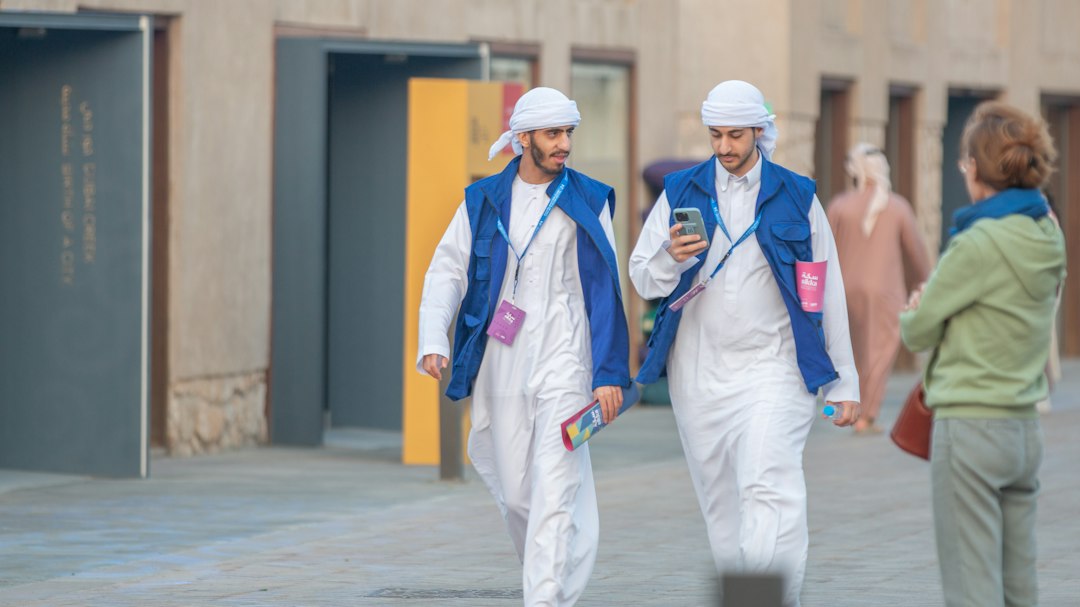
The scale explains why the festival needed more room than Al Fahidi's courtyards could offer. The festival brought together more than 450 creatives and artists, presenting about 250 artworks across 16 houses. The theme carried through the programme too: the festival took place under the theme 'Imagining Dubai: Identities of the Future'. Entry stayed free, as it always has for Sikka, and the festival ran into the evening on weekends, with Friday sessions listed from 4pm to 11pm.
For readers planning ahead, the pattern is worth noting rather than guessing. Sikka has returned every January or February since its first edition in 2011, and Dubai Culture typically opens applications for artists months before the public dates are confirmed. Checking the Dubai Culture events page close to the new year is the most reliable way to catch the 2027 announcement before it fills up.
Al Fahidi still has galleries worth the trip
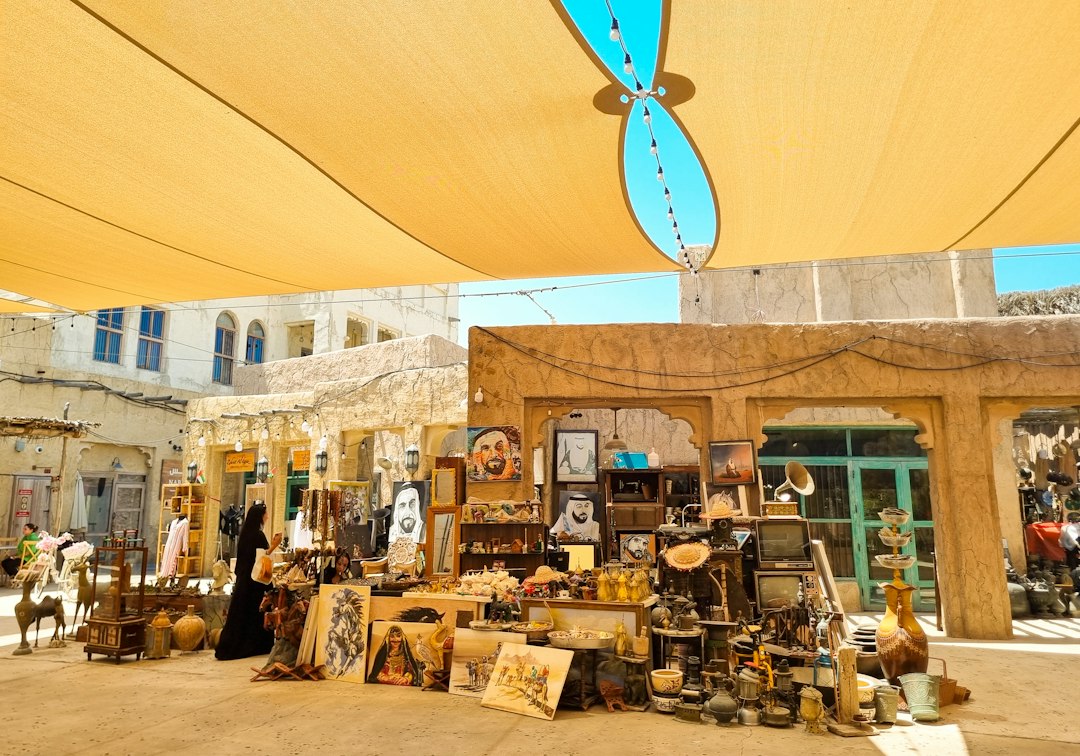
Losing the festival does not mean Al Fahidi lost its art. XVA Gallery specialises in contemporary art from the Arab world, Iran and the Subcontinent, and has done more to champion both established and emerging talent from the UAE than most galleries attempt. It opens Monday through Sunday from 10am to 6pm, so there is no need to time a visit around a festival calendar at all.
A short walk away sits the Majlis Gallery, one of the oldest private galleries in the city. It sits near Al Fahidi Roundabout in the Al Fahidi Historical Neighbourhood in Bur Dubai. It opens Monday to Saturday from 10am to 6pm, with shorter Ramadan hours from 10am to 4pm, and stays closed on Sunday. That Sunday closure trips up weekend visitors who assume every gallery in a heritage district keeps the same hours.
Both galleries sit inside a neighbourhood that costs nothing to enter and never locks its gates. The lanes themselves remain open at all hours, and museums such as the Coffee Museum keep separate, shorter schedules worth checking before a visit. Treat Al Fahidi as a standing exhibition, not a once-a-year event tied to the festival calendar.
Is combining both neighbourhoods worth the effort?
The honest objection here is fair: if Sikka left Al Fahidi for a reason, maybe the two areas are not meant to be paired in one trip. Al Shindagha sits further along Dubai Creek, in a neighbourhood once home to Dubai's ruling family, now one of the emirate's most active heritage areas, and that distance adds a taxi or abra ride that a single-neighbourhood visit avoids. Anyone with only two or three hours in Old Dubai might reasonably decide to pick one side and skip the crossing.
That said, the two areas reward a split visit more than a rushed one. A morning in Al Fahidi covers XVA, the Majlis Gallery and a coffee stop before the midday heat; an abra across the Creek or a short taxi then reaches Al Shindagha in time for the festival's afternoon and evening sessions, which run later than most daytime museum hours. The trade-off is time, not money, since both stretches of the Creek charge nothing to walk. Splitting the day works only if the festival is actually running, so this only applies during the Sikka window itself, roughly the last week of January into the first week of February based on recent editions.
Outside those dates, the calculation changes again: Al Fahidi's galleries still operate on their own hours, while Al Shindagha's Sheikh Saeed Al Maktoum House and surrounding museums run year round regardless of the festival. A visitor arriving in, say, October has no festival to chase in either neighbourhood, and should plan around the galleries and permanent museums instead.
Accepting that Sikka has moved changes how a visit to Old Dubai should be planned. Check the Dubai Culture events page for confirmed 2027 dates before booking anything around the festival. If those dates fall outside a trip, treat Al Fahidi's galleries as the standing alternative, since XVA and the Majlis Gallery run on their own schedules every week of the year. And if the dates do line up, build in time for the crossing between the two neighbourhoods rather than assuming one stop covers both.