Cooling costs climb every August in Dubai, and most of us quietly accept the shock of that bill without realising how much is within our control.
Why your August bill feels so personal
August sits at the peak of the Gulf summer. Temperatures often exceed 40°C during this period, which makes air conditioning essential in homes, villas, and apartments. That reality is not going anywhere. What can change is how efficiently your home handles that heat.
In Dubai’s extreme climate, cooling can account for 60 to 70 percent of total electricity consumption. Read that number again. When your bill arrives and you feel confused, that is almost always where the answer sits. The good news is that the biggest category of spending is also the one you can influence the most.
For most households, air conditioning represents the greatest opportunity for savings, and combined with a few other efficient habits, these strategies can reduce utility bills by 20 to 30 percent without sacrificing comfort. That is a meaningful amount. And it starts with some very small decisions.
Start with your thermostat setting
This is the single most powerful lever in your home. DEWA advises residents to set the AC thermostat to 24 degrees Celsius, which is suitable for the human body and keeps cooling comfortable. Many people instinctively push their thermostat lower, believing colder is better. It is not.
Each 1°C lower can raise energy use by about 5 percent, which means 22°C can cost noticeably more than 24°C over a month of long, hot days. That small adjustment, multiplied across every hour of August, adds up fast on your bill. So try holding steady at 24°C and pairing it with better airflow instead.
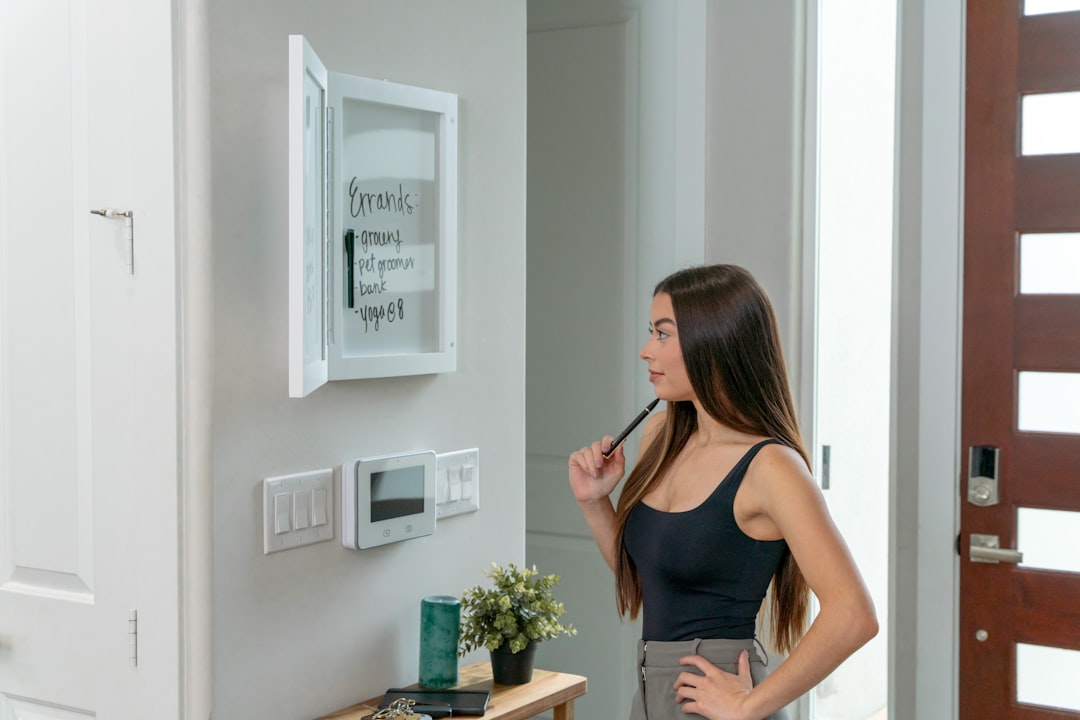
A smart thermostat automatically dials down cooling when you are asleep or out of the house, so you are not wasting energy. Using ceiling fans along with your thermostat improves air circulation, allowing cool air to spread more evenly throughout the room. Together, these two habits do a lot of the heavy lifting without any real sacrifice in comfort.
Block the heat before it enters
Your walls and windows are doing a quiet battle with the sun all day. In many Dubai apartments and villas, windows are the biggest heat entry point. Once sunlight pours through glass, it turns into heat indoors, and your AC has to remove it again. That is a cycle worth breaking.
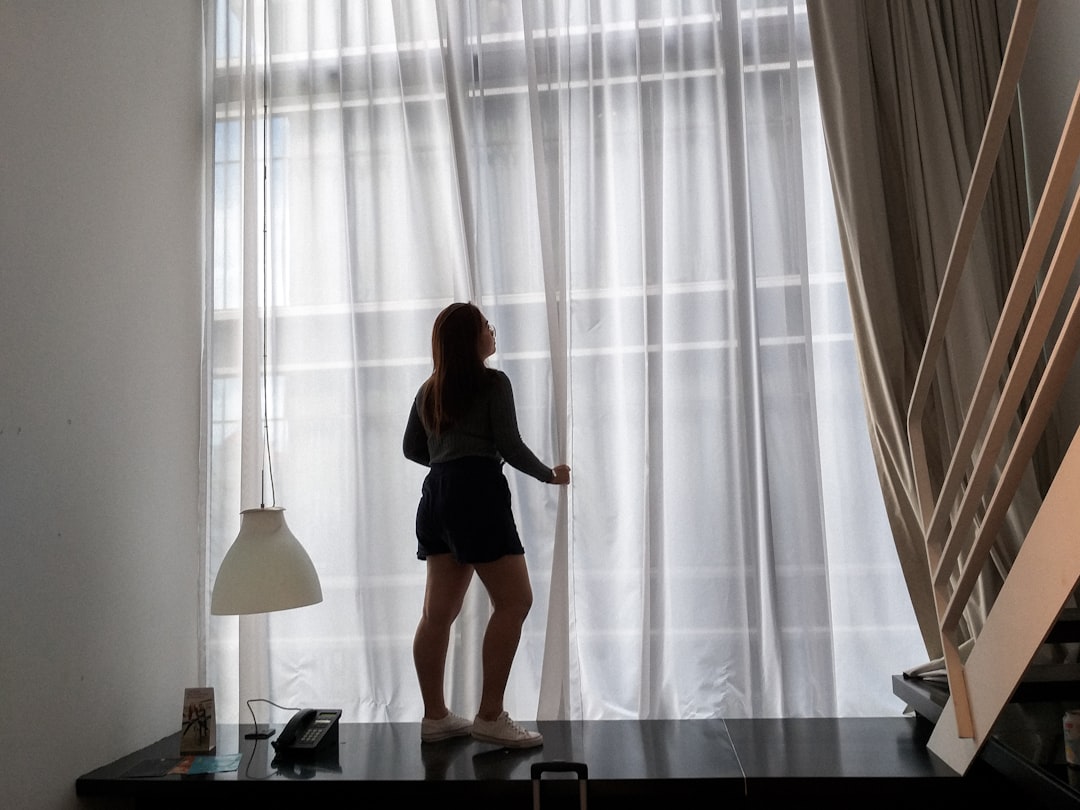
Use curtains or blinds during the day to block direct sunlight and reduce indoor heat build-up. This is one of the simplest and least expensive habits you can build. Keep west-facing rooms especially well covered in the afternoon hours, when the sun pushes hardest against the glass.
Windows allow significant heat to enter your home. Installing heat-reducing shades or reflective window tints can keep indoor temperatures lower and reduce the load on your AC. For renters who cannot make permanent changes, thick blackout curtains work well. For homeowners, window film is a low-cost investment that pays back quickly in reduced cooling costs every summer.
Keep your AC in good condition
Your AC works harder in August than at any other time of year. The extreme temperatures of Dubai strain air conditioning systems, and during summer most units operate around the clock, which means wear and tear occur more quickly. A little care goes a long way.
DEWA recommends cleaning AC filters periodically to enhance efficiency and ensuring doors and windows are adequately sealed to prevent cool air from escaping. Filters clogged with dust make your unit work harder for the same result. A monthly clean in summer takes only a few minutes and makes a real difference to performance.
A 10-year-old AC can use 40 to 50 percent more energy than newer units to achieve the same cooling. If your AC is over 8 years old and monthly bills are high, replacement often pays for itself in 3 to 4 years through energy savings alone. If you own your home and your unit is ageing, this is worth a serious conversation with an HVAC professional.
An industry perspective on sustainable cooling
Cooling is not simply a comfort issue in the UAE. It is an environmental and economic one that touches every household. The built environment in the UAE accounts for roughly 70 percent of total energy consumption, and cooling is the primary driver of that figure. Residents who take even modest steps at home, adjusting thermostat settings, improving insulation, and maintaining their systems, contribute directly to national sustainability goals. Smart cooling choices also protect household budgets from the compounding effect of tiered electricity tariffs, where higher consumption attracts higher rates per unit. The smartest investment a resident can make right now is in the efficiency of the home they already live in.
Industry perspective, sustainability and energy professionals in the UAE residential sector

Seal gaps and add insulation where you can
Heat does not only enter through windows. Air leaks near windows, doors, and ducts are common. Properly sealing these areas can result in significant energy savings. In older buildings especially, small gaps around window frames and door edges allow cool air to escape continuously, and your AC has to compensate.
Check windows and doors for air leaks and seal them with weather stripping. This improves cooling and reduces electricity use. Weather stripping is inexpensive and available at most hardware stores across Dubai. It is a 30-minute task that quietly protects your cooling costs through every summer month.
Also think about heat coming from inside your home. Appliances, lighting, and cooking all add warmth to a room. Turn off the AC in empty rooms and keep windows tightly shut to trap cool air. These small habits reduce the total work your system has to do, which keeps your bill lower and your unit healthier over time.
Lower your cooling costs and feel good about it
Reducing cooling costs in Dubai is not about choosing between comfort and responsibility. It is about making smarter decisions with what you already have. Set your thermostat to 24°C. Keep filters clean. Block the afternoon sun. Seal the gaps. Add a ceiling fan. Each change is small on its own, but together they shift your August experience completely.
Your cooling costs do not have to define your summer. With a little attention to these habits, you can walk into September with a lighter bill and the quiet satisfaction of knowing your home is working smarter. Start with one change today, and let the rest follow naturally.