Expat communities have not simply arrived in Dubai. They have stayed, built, and changed the city from the ground up, one street at a time.
A city that belongs to everyone
Walk through Bur Dubai on a Friday evening and you will hear at least 5 languages before you reach the end of the block. You will smell cardamom, fresh bread, and frying spice all at once. Built on the flavours of nearly 200 nationalities, the historic districts of Bur Dubai and Deira along Dubai Creek are places where restaurants continue to honour authenticity, local ingredients, and value. This is not a curated multicultural experience for tourists. It is simply the city as it actually is.
Dubai stands out in the world as almost a singular example of a city where more than 85% of its population consists of expatriates. That number is not a statistic to skim past. It means the city you walk through every day has been shaped, coloured, and flavoured almost entirely by people who came from somewhere else. The flow of expatriates into Dubai does not just influence real estate prices. It shapes the cultural identity of the entire emirate.
Where residents come from
Indians represent 51% of expatriates, followed by Pakistanis at 17% and Bangladeshis at 9%. Filipinos, Iranians, and Egyptians round out the major groups. Beyond these large communities, more than 200 nationalities live and work in the UAE. Each group has found its own corner of the city.
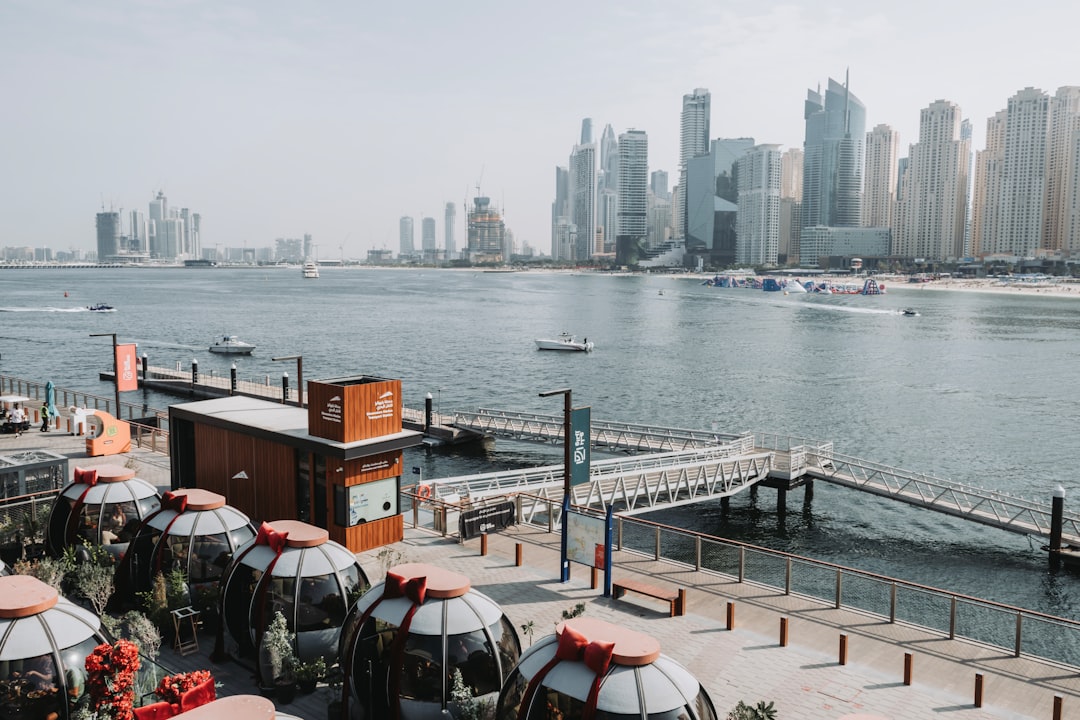
Neighbourhoods particularly popular with the Indian community include Bur Dubai and Deira, historic districts with a strong presence of Indian shops, as well as International City, which offers affordable housing for families. Further along the coastline, Dubai Marina is another popular neighbourhood where foreigners, Gulf nationals, and some Emiratis all live side by side. English has become the dominant language of communication at workplaces, in trade, and in daily social interactions, while Arabic remains the national language. Hindi, Urdu, Persian, and Tagalog have also become commonplace in communities, in commerce, and at work.
How culture takes root in neighbourhoods
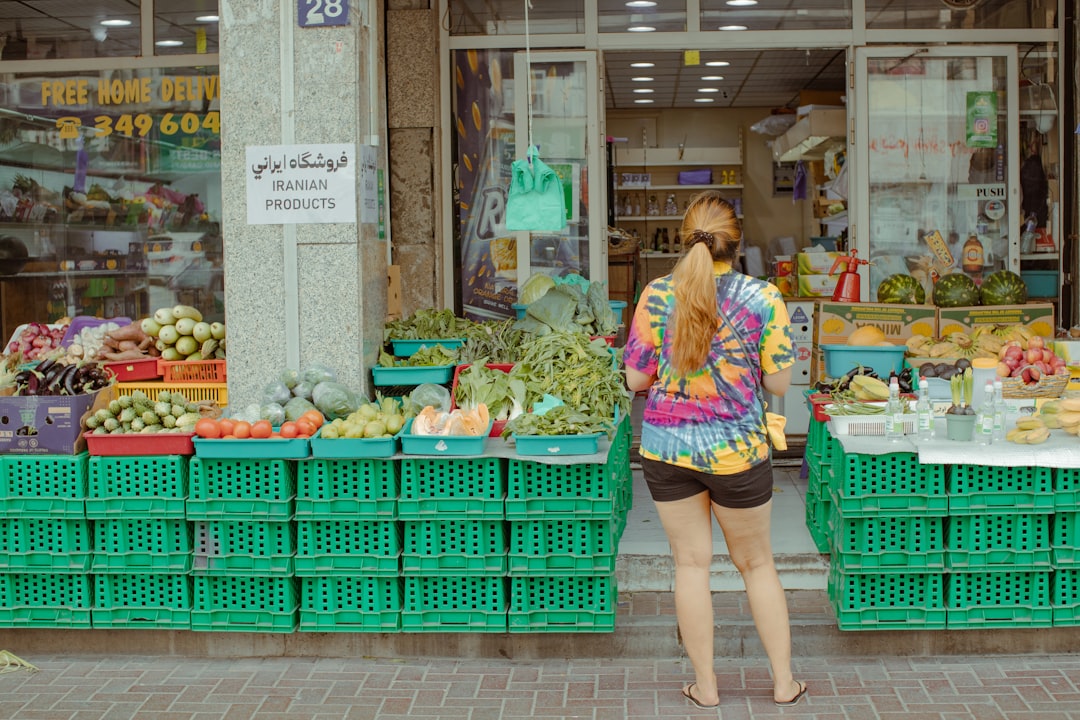
The most visible sign of this transformation is food. A cultural food tour through Old Dubai has been named one of the world’s top experiences for 2026 in Lonely Planet’s Best in Travel list, spotlighting the emirate’s vibrant and diverse culinary landscape. Visitors who walk these streets quickly understand why. A single alley in Deira can hold a South Indian thali restaurant, a Filipino bakery, and an Iranian grill within 50 metres of each other.
Beyond food, events like Diwali, Philippine Independence Day, St Patrick’s Day, and Nigerian Independence Day are all celebrated on a large scale in Dubai. These are not small private gatherings. They fill public spaces, attract thousands of residents and visitors, and make the city feel genuinely alive. In recent years, expat communities have developed in the city centre and more affordable areas, and the UAE government has introduced visa options such as the Golden Visa, the Remote Work Visa, and the Family Visa to support this growth.
Expert perspective on urban diversity
Dubai’s neighbourhoods are living proof that diversity and urban development are not separate conversations. When expat communities put down roots in a district, they bring demand for schools, healthcare, cultural venues, and specialised retail. This demand is what turns a collection of buildings into a functioning neighbourhood with real character. The mix of over 200 nationalities does not create friction. It creates a layered economy where every community strengthens the whole. Residents who stay long-term invest in local businesses, mentor younger arrivals, and contribute to the social infrastructure of a district in ways that go far beyond paying rent. That kind of commitment is what makes Dubai’s neighbourhoods genuinely different from other global cities that attract foreign talent.
Industry perspective, urban development and real estate professionals in Dubai
The infrastructure that follows people
The Dubai 2040 Urban Master Plan is advancing this shift. It aims to double green and recreational areas, build more walkable neighbourhoods, and incorporate community outlets, dining, wellness, and leisure into everyday life. The main focus is to create communities designed around people rather than cars, which leads to long-term occupancy, stronger investor returns, and more stable neighbourhood value over time.
Dubai’s Urban Master Plan 2040 also emphasises the expansion of community-based retail hubs to improve accessibility and convenience. Dubai’s strategic retail initiatives, coupled with its focus on technological innovation and sustainability, are transforming neighbourhood retail experiences across the city. In practical terms, this means the markets, clinics, places of worship, and community centres that expat communities need are being built into the urban plan, not added as an afterthought.
Jumeirah Village Circle is a clear example of a community that has effectively transitioned from a new neighbourhood into a mature and self-sufficient residential centre. This kind of evolution happens because residents invest in a place. They open businesses, enrol children in local schools, and build social networks that give a district its identity.
What this means for visitors
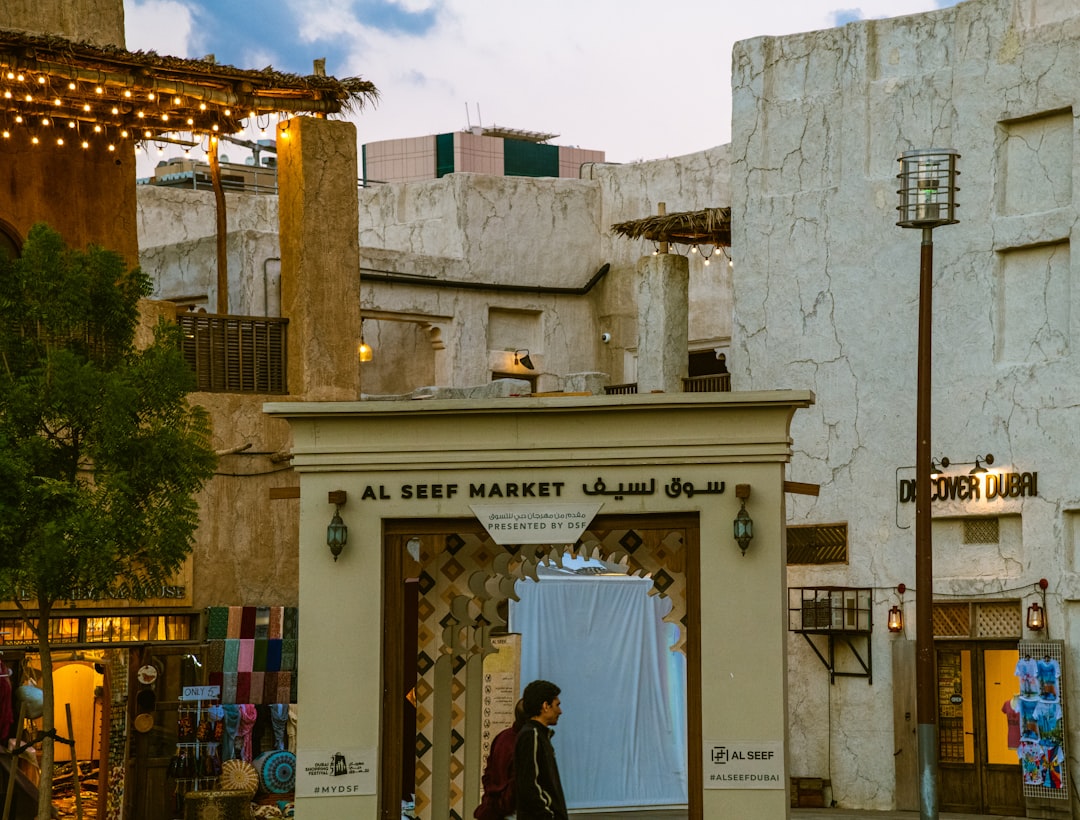
When you visit Dubai today, you are not visiting a single city. You are visiting many cities layered on top of each other. The spice markets of Deira carry the scent of Kerala and the Punjab. The cafes of Jumeirah serve matcha alongside karak chai. Neighbourhoods such as Alserkal Avenue, Jumeirah, and Downtown Dubai now host modern cafes where international flavours complement specialty coffee offerings.
A blend of affordability, cultural richness, and tradition defines the corners of Old Dubai. Dubai offers a unique blend of cosmopolitan living, cultural diversity, and cutting-edge amenities. For a first-time visitor, this can feel surprising. For a returning visitor, it is the reason they come back.
Expat communities: the soul of the city
Expat communities are the living architecture of Dubai. They do not simply occupy neighbourhoods. They define them, feed them, and fill them with language, colour, and purpose. With Dubai’s population now estimated at over 3.1 million in 2026, the scale of this expatriate presence continues to accelerate. The city has doubled in population in less than 15 years, reflecting a rapid transformation that shows no signs of slowing. Every district you explore carries the fingerprints of the expat communities who built it.
If you want to understand Dubai, do not start with the skyline. Start with the neighbourhood. Find a market, sit down, and listen to the world around you. That is where the real city begins. Discover more about expat communities in the sections below, and let the streets tell you the rest.